DIY Installation Tips for Artificial Grass: A Beginner’s Guide
Why Choose Artificial Grass?
Artificial grass has become a popular choice for homeowners looking to enjoy lush, green lawns without the hassle of constant maintenance. It offers a sustainable and low-maintenance alternative to natural grass, saving you time and resources. Whether you're looking to upgrade your backyard, patio, or balcony, installing artificial grass can be a game-changer.

Planning Your Project
Before diving into the installation, it's crucial to plan your project thoroughly. Start by measuring the area where you want to install the grass. Accurate measurements will help you calculate how much material you'll need. Additionally, consider the purpose of the space. Will it be used for lounging, sports, or pets? This will influence the type of artificial grass you choose.
Gathering Materials and Tools
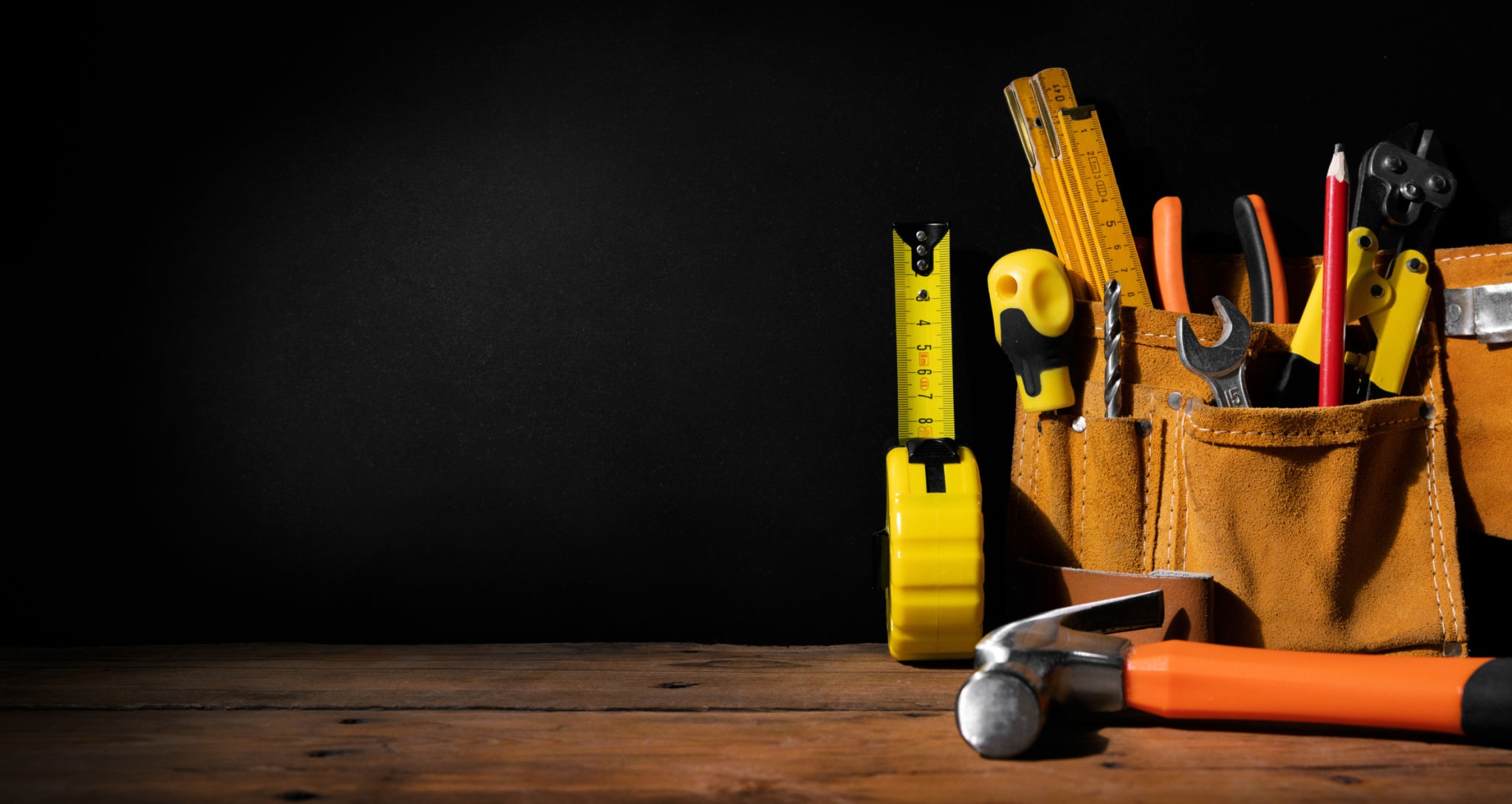
Having the right tools and materials on hand will make the installation process smoother. Here's a list of essentials:
- Artificial grass rolls
- Weed membrane
- Utility knife
- Adhesive or seam tape
- Infill material (sand or rubber)
- Compactor or roller
Preparing the Ground
The success of your artificial grass installation largely depends on how well you prepare the ground. Begin by removing existing grass, rocks, and debris. This step is essential to create a smooth surface. Next, lay down a layer of crushed stone or gravel to aid drainage. Compact the base using a roller or plate compactor to ensure stability.
Installing the Weed Membrane
Once the surface is compacted, lay a weed membrane over the area. This prevents weeds from growing through the artificial grass and ensures a clean, maintenance-free lawn. Secure the edges of the membrane with garden staples to keep it in place during the installation process.
Laying the Artificial Grass
With the groundwork prepared, it's time to lay the artificial grass. Unroll the grass over the area, ensuring the blades are facing the same direction for a consistent look. Cut the edges with a utility knife to fit the shape of your space. If you're covering a large area, you may need to join multiple pieces using adhesive or seam tape.
Securing and Finishing Touches
Secure the edges of the grass with landscape staples or nails, spacing them about 6 inches apart. This keeps the grass firmly in place, even with heavy foot traffic. Once the grass is secured, spread infill material evenly across the surface. This helps the blades stand upright and provides cushioning underfoot.
Final Thoughts
Installing artificial grass can transform your outdoor space into a lush, green oasis with minimal ongoing maintenance. By following these DIY installation tips, even beginners can achieve professional-looking results. Enjoy your new lawn and the many benefits it brings, from reduced water usage to year-round greenery.